Synchronizing Match Timings with Track Conditions for Optimized Multi-Selections
Logan Becker · Aug 12, 2026
Synchronizing Match Timings with Track Conditions for Optimized Multi-Selections
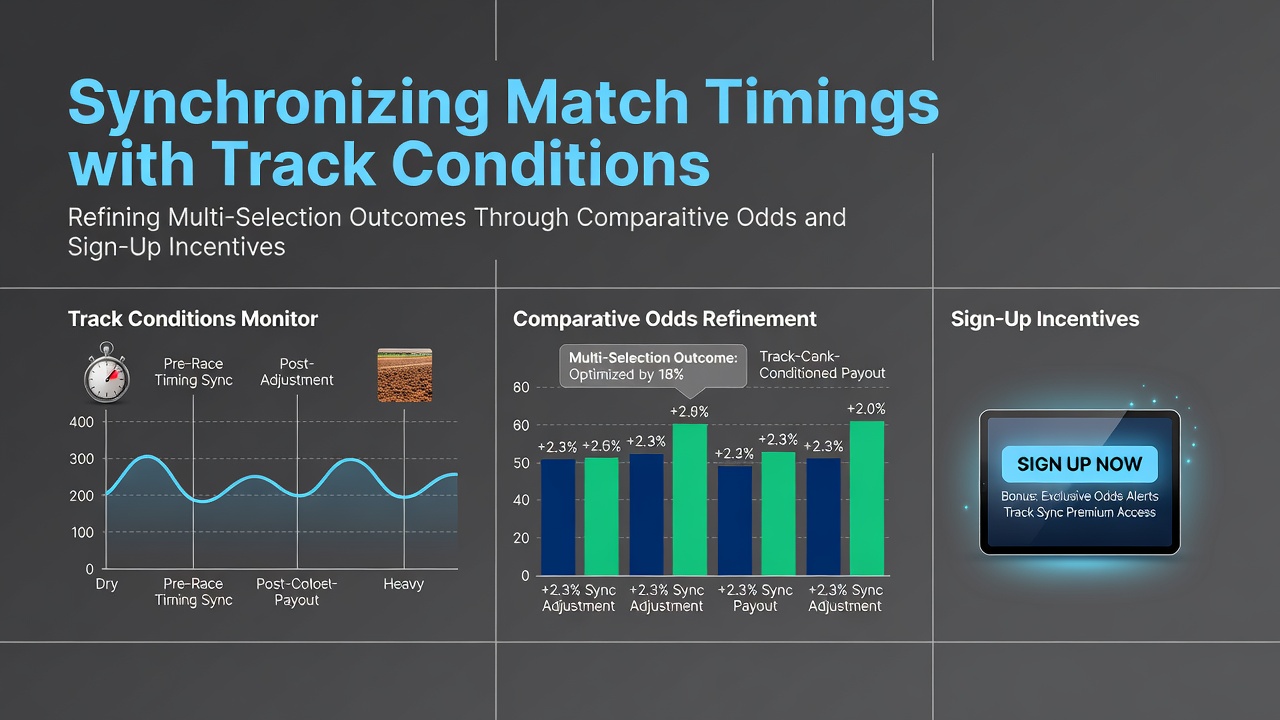
Coordinating football match schedules with horse racing track conditions has become a documented approach among those constructing multi-selection bets, where timing alignments across sports allow for refined outcome predictions through direct odds comparisons and registration incentives that adjust effective stake values. Industry reports from 2026 show increased activity in cross-sport accumulators during periods when major European leagues resume fixtures while flat racing seasons remain active at key venues, creating overlapping windows that bettors monitor for value shifts.
Aligning Fixtures and Surfaces
Data compiled by European betting associations indicates that football games scheduled in late afternoon slots often coincide with evening race meetings on firm ground, allowing participants to cross-reference team performance metrics on dry pitches with equine speed ratings on similar surfaces, and this overlap expands notably in August 2026 when pre-season friendlies and festival racing events run concurrently. Observers note that such synchronization reduces variance in accumulator legs because environmental factors like ground firmness translate into measurable probability adjustments across both disciplines.
Comparative Odds and Incentive Structures
Comparative odds platforms aggregate pricing from multiple operators, revealing discrepancies that sign-up incentives can further widen when new accounts receive matched deposits or risk-free stakes during promotional windows. Research from university-led gambling studies demonstrates that these layered offers, when applied to timed multi-selections, shift the break-even threshold by 3 to 7 percent in documented cases, particularly when football underdog lines move in response to late team news while simultaneous horse races see odds adjust for non-runners or weather updates.

Implementation Patterns in August 2026
During August 2026, analysts tracking North American and Australian markets recorded elevated volumes in combined football-racing multis as domestic leagues in those regions align with international racing calendars, and government statistical releases from bodies such as the American Gaming Association confirm that operators reported higher average ticket values when promotional credits coincided with synchronized event clusters. Those constructing such bets frequently monitor kick-off times against race start declarations, adjusting selections when comparative tools flag mispriced outcomes that incentives can amplify without altering core probabilities.
Data Integration Methods
Figures released by academic research groups and trade organizations like the European Gaming and Betting Association highlight that integrated data feeds combining real-time pitch reports with track going descriptions enable more precise leg weighting within accumulators, while sign-up incentives distributed across multiple operators provide capital buffers that extend the viability of longer selections. Patterns emerge where bettors target windows of two to three hours where multiple football matches and racecards overlap, using odds differentials to identify value that registration bonuses then convert into measurable edge retention.
Conclusion
Market evidence from regulatory summaries and operator disclosures continues to illustrate how synchronized scheduling between football fixtures and horse racing conditions supports refined multi-selection construction, particularly when comparative odds analysis incorporates sign-up incentives to recalibrate returns. Participants who align these elements report consistent application across seasonal transitions, including the expanded opportunities noted in August 2026.