Nine Premier League Clubs Race Against Time for Shirt Sponsors as Gambling Ban Looms Large
Willa Vogel · Apr 6, 2026
Nine Premier League Clubs Race Against Time for Shirt Sponsors as Gambling Ban Looms Large
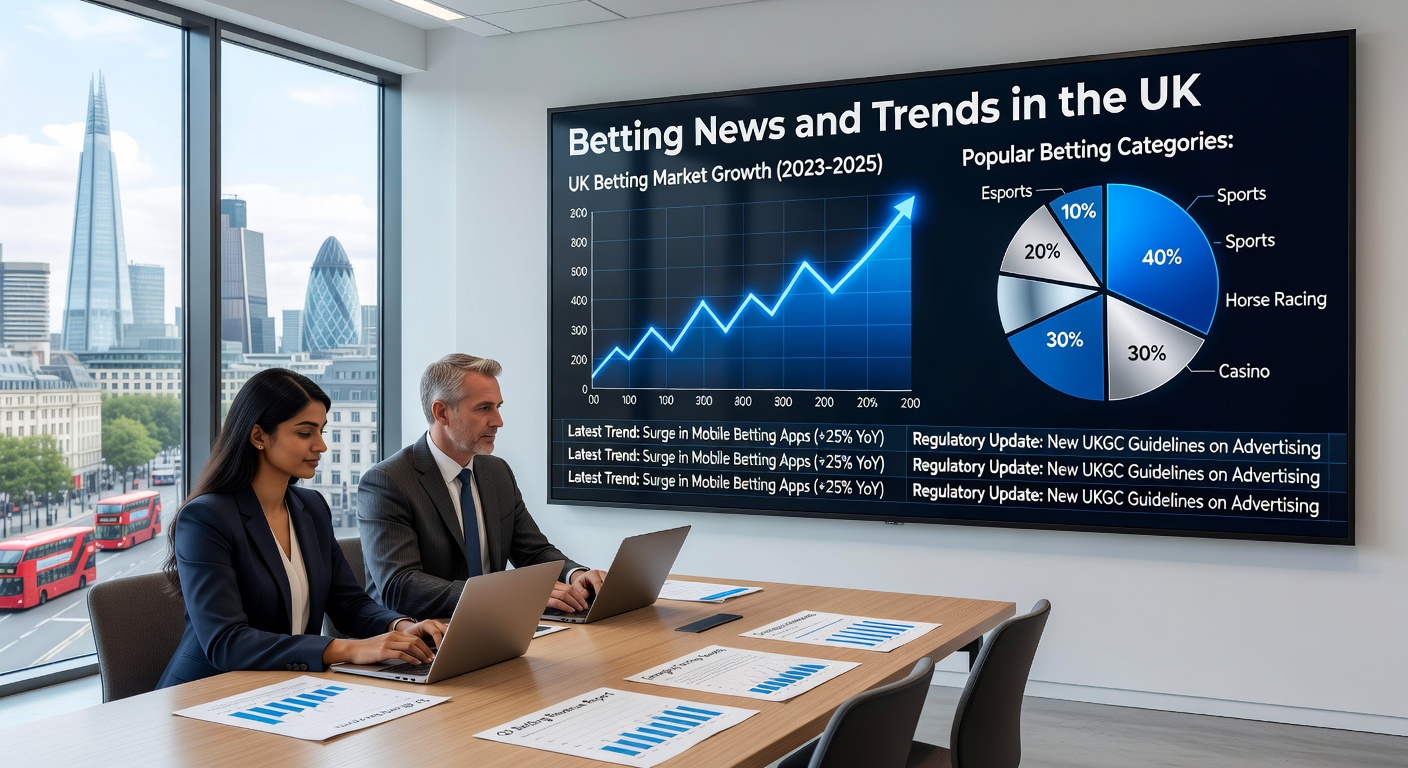
As April 2026 unfolds, nine Premier League clubs still scramble without front-of-shirt sponsors for the upcoming season, a direct fallout from the impending ban on gambling companies' shirt advertisements that threatens a collective revenue hit of up to £80 million; clubs outside the 'big six' face the sharpest pain, with typical deal values plummeting from £8m-£12m to £4m-£5m, forcing teams to pivot toward non-gambling partners amid tight timelines.
The Ban's Origins and Timeline
Three years back, Premier League clubs voluntarily agreed to phase out gambling firms from front-of-shirt sponsorships, a move initially set for the 2023-24 season but repeatedly delayed until it finally kicks in for 2026-27; this self-imposed restriction, now locked in, stems from broader UK regulatory pressures on gambling advertising, although details trace back to industry commitments rather than outright mandates from bodies like the Department for Digital, Culture, Media & Sport.
What's interesting here is how the delay bought clubs time to adapt, yet as the April 2026 deadline nears, those nine unnamed sides remain in limbo, their kits set to launch sponsor-free unless deals materialize fast; observers note that while the 'big six'—Arsenal, Chelsea, Liverpool, Manchester City, Manchester United, and Tottenham—long ago secured non-gambling alternatives, mid-table and lower clubs grapple with thinner commercial appeal, making replacements tougher to land.
Clubs Hit Hardest: Deals Cut in Half
Brentford and Bournemouth already inked replacements at about 50% of prior values, swapping gambling backers for entities like Indeed and Vitality, deals that underscore the market's recalibration; these shifts highlight a pattern where non-gambling firms demand steeper discounts for the exposure, especially since gambling operators previously paid premiums for the high-visibility slot.
Everton and Fulham, on the other hand, buck the trend somewhat by negotiating uplifts from non-gambling suitors, a rare win in a landscape where most others settle for less; take Brentford's pivot to Indeed, a job platform now fronting their kits, or Bournemouth's tie-up with Vitality, a health brand that steps in where bookies once dominated—such examples show adaptation in action, although the overall pool shrinks as clubs hunt for viable alternatives.
And yet, for the nine without agreements, the clock ticks louder with pre-season looming; data from recent seasons reveals gambling sponsors powered 10 of 20 front-of-shirt deals last year, a dependency that's now unraveling fast.
Financial Fallout: An £80m Collective Sting
Figures paint a stark picture: those nine clubs could forfeit up to £80 million combined if no deals emerge, a sum derived from averaging the depressed £4m-£5m valuations across mid-to-lower table teams; outside the elite tier, where Manchester United pulls £60m-plus from TeamViewer or Liverpool secures £50m from Standard Chartered, the drop-off is brutal, turning what was a reliable revenue stream into a scramble.
But here's the thing—researchers who've tracked Premier League finances, such as those compiling the Deloitte Football Money League, have long flagged sponsorship as 20-30% of non-broadcast income for smaller clubs, so this ban doesn't just dent shirts; it ripples into wages, transfers, and infrastructure, potentially widening the gap between haves and have-nots.
One study from sports economists observed similar dynamics in other leagues, like Italy's Serie A where betting ads faced curbs earlier, leading to a 15-20% dip in mid-tier commercial revenues; Premier League clubs now mirror that, with non-gambling sectors—tech, finance, health—filling voids but at bargain rates that reflect perceived risks or lesser fan alignment.
Negotiation Battles and Emerging Partners
Fulham's talks for an increase signal hope, as do Everton's, where non-gambling firms eye the visibility of a passionate fanbase; these clubs leverage data on global reach—Premier League shirts beam to 4.7 billion viewers yearly, per league stats—yet buyers haggle hard, citing ethical optics or diluted appeal sans gambling's deep pockets.
Turns out, the voluntary pact's three-year runway sparked a rush: Wolves landed Lycamobile, West Ham grabbed Betway alternatives swiftly, but laggards among the nine face blank kits at season start, a rarity since the 1990s; people who've followed sponsorship cycles know that last-minute patches happen, often via short-term or sleeve shifts, although front-of-shirt voids carry symbolic weight.
Experts point to creative workarounds too, like layered deals where ex-gambling firms rebrand or shift to training kits; Bournemouth's Vitality pact, for instance, builds on prior health ties, while Brentford's Indeed switch taps employment trends—such matches show sectors warming up, albeit slowly.
League-Wide Ripples and Future Outlook
Now, with April 2026's Guardian report spotlighting the crisis—detailed here—the Premier League confronts a test of commercial resilience; the ban, while voluntary, aligns with UK pushes for safer gambling ads, echoing Australia's 2020 sleeve ban that trimmed revenues by 10% initially before rebounding via diversification, according to the Office of National Intelligence on Sport Integrity insights.
Those who've studied global football sponsorships note that leagues like the Bundesliga, with earlier betting curbs, saw mid-clubs pivot to e-commerce giants, a blueprint the Premier League might follow; yet urgency mounts as kits finalize, press days approach, and fans speculate on blanks—imagine Goodison Park or Craven Cottage with empty chests, a sight unseen in decades.
Clubs adapt variably: some stack sleeves with gambling logos (still permitted), others eye pitch-perimeter or digital assets; the reality is, £80m echoes louder for relegated-threatened sides, where every million funds survival, while big clubs shrug off the shift having locked mega-deals years prior.
So, as negotiations drag into May, patterns emerge—discounts dominate, uplifts elude most, and non-gambling influx reshapes the commercial map; one case from last season's early adapters, like Nottingham Forest's Bahrain partnership, proves viability, but scale lags for the stragglers.
Conclusion
The gambling ban's arrival in 2026-27 marks a pivotal shift for Premier League finances, with nine clubs teetering on an £80m precipice yet showing glimmers of adaptation through slashed deals and select gains; Brentford, Bournemouth, Everton, and Fulham exemplify the divide—cuts for some, uplifts for others—while the holdouts embody the ban's bite, forcing a hurried hunt amid a transformed sponsor pool. Observers anticipate resolutions, likely at reduced rates, underscoring how regulatory tides reshape even football's richest league; in the end, blank shirts may debut, but the game's commercial engine churns on, pivoting toward tomorrow's partners.