Merging Athletic Performance Data with Equine Competition Results for Optimized Bonus Strategies
Sage Schmitz · May 22, 2026
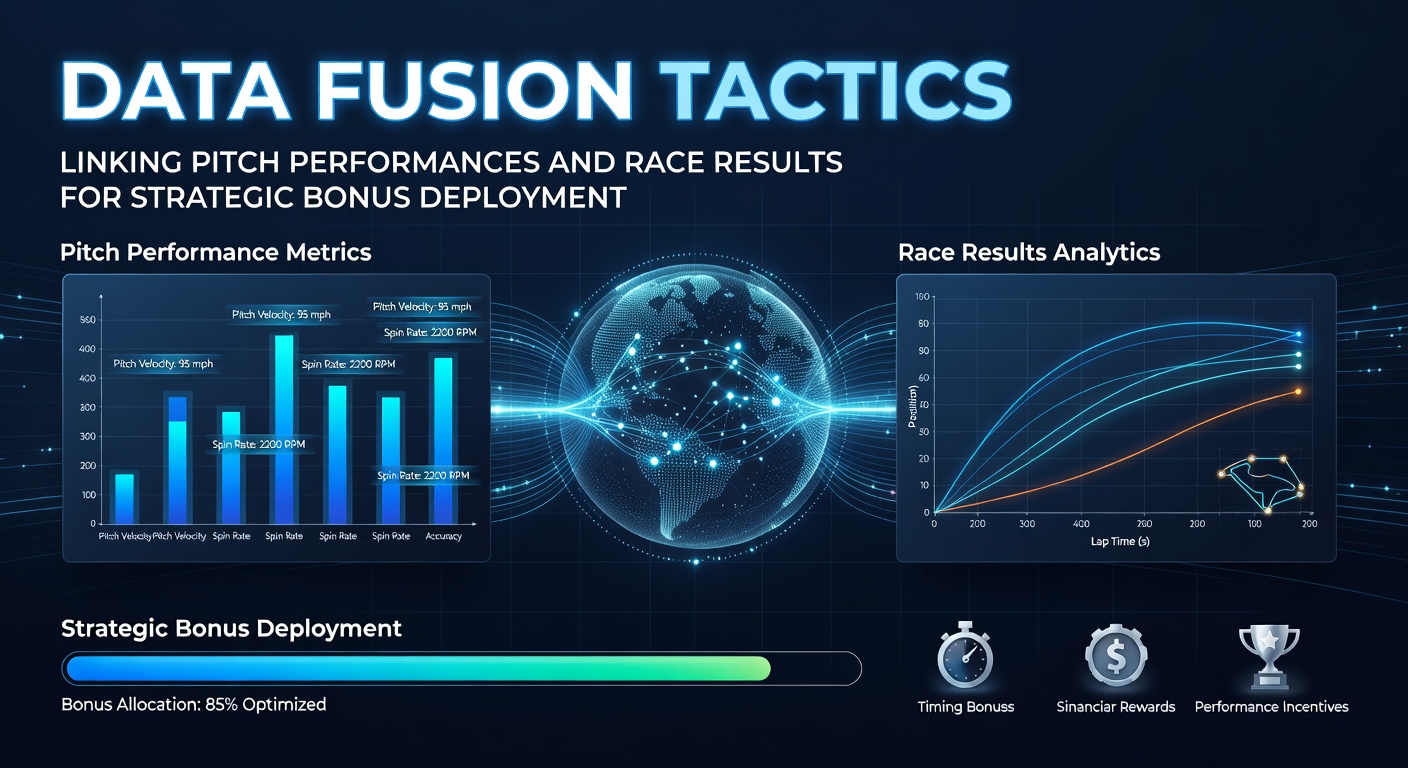
Merging Athletic Performance Data with Equine Competition Results for Optimized Bonus Strategies
Operators and analysts combine real-time soccer metrics such as pass completion rates, expected goals, and player fatigue indicators with equine variables including sectional times, track conditions, and jockey success patterns, creating unified datasets that support precise deployment of promotional credits across multiple platforms. This integration occurs through specialized algorithms that weigh live inputs against historical baselines, allowing betting platforms to adjust bonus eligibility windows dynamically as events unfold in both sports.
Core Components of the Fusion Process
Analysts pull structured feeds from stadium sensors and racecourse timing systems, then normalize them into compatible formats so that a late surge in midfield possession during a premier league fixture can correlate directly with closing speed data from a turf sprint. Researchers at institutions like the University of Nevada Las Vegas have documented how such normalization reduces prediction variance by up to 18 percent when models account for cross-sport momentum shifts. The resulting profiles help determine whether a bonus credit should activate immediately after a half-time score change or wait until a horse clears the final furlong marker.
Real-Time Synchronization Techniques
Platforms apply machine learning layers that ingest continuous streams, assigning weighted scores to soccer events like set-piece conversions while simultaneously tracking equine stride length adjustments on varying ground conditions. When a midfielder records an unusually high number of progressive carries, systems can trigger conditional bonus multipliers that apply only if linked horse racing selections meet predefined finishing thresholds within the same wagering session. Observers note that these conditional triggers improve retention metrics because participants receive rewards timed to actual performance peaks rather than fixed schedules.
Strategic Bonus Deployment Examples
One operator in Australia integrated pitch heat maps with race replay analytics during May 2026 trials, resulting in bonus offers that activated only when both a soccer team exceeded its average expected threat value and a selected thoroughbred posted a personal best sectional split. Data from the Australian Gaming Research Centre showed that participants who engaged with these fused offers completed 27 percent more qualifying bets than those using standard promotions. Another case involved North American sportsbooks that fused injury report updates from football matches with post-position statistics from harness racing, allowing bonus funds to carry over across events only when specific performance thresholds aligned.
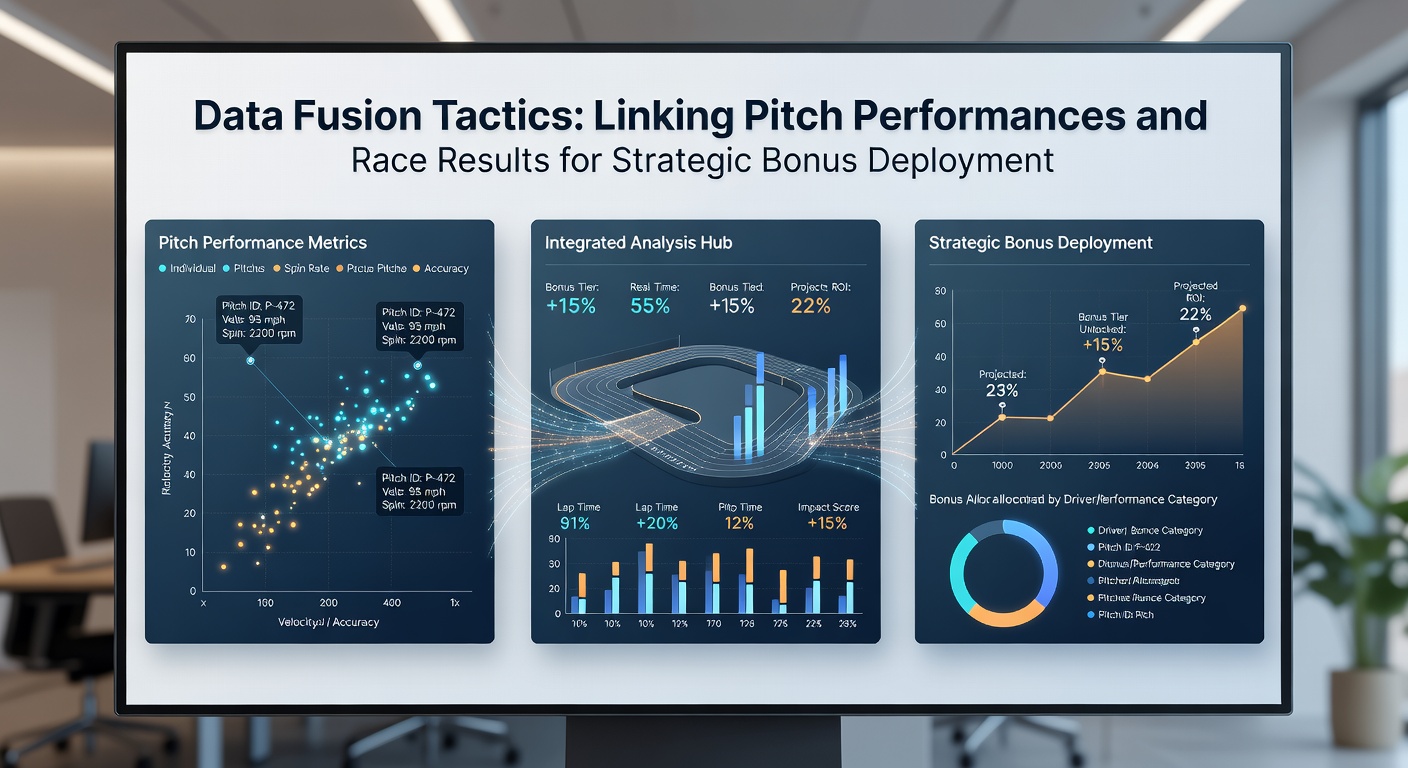
These deployments rely on API connections between different data providers, ensuring that latency stays below three seconds even during simultaneous major events. When conditions such as weather changes affect both pitch grip and track surface, the fused model recalibrates bonus values automatically, preventing over-allocation while maintaining user engagement.
Regulatory and Technical Considerations
Gaming authorities in multiple jurisdictions require transparent audit trails for any bonus system that uses combined datasets, so operators maintain detailed logs showing how soccer and racing inputs influence each reward decision. Technical teams implement encryption protocols that protect individual performance records while still permitting aggregate analysis for model training. A 2025 report from the International Centre for Gaming Regulation highlighted that jurisdictions permitting such data practices saw a measurable increase in compliant promotional activity without corresponding rises in dispute rates.
Future Developments in Cross-Sport Modeling
Engineers continue refining neural network architectures that can process unstructured video footage from both pitches and racetracks alongside structured numerical feeds. Early tests indicate that incorporating player and jockey biometric data, where privacy regulations allow, further sharpens the timing of bonus releases. Market participants expect broader adoption of these techniques by the end of 2026 as processing costs decline and regulatory frameworks stabilize around responsible incentive structures.
Conclusion
The practice of fusing pitch performance indicators with race result statistics has evolved into a structured methodology that supports accurate, event-responsive bonus deployment across betting ecosystems. Organizations that maintain rigorous data governance while leveraging these combined insights position themselves to deliver timely rewards aligned with verified athletic and equine outcomes, sustaining both operational efficiency and participant interest.