Live Data Bridges: Connecting Soccer Fixtures with Equine Competitions for Refined Accumulator Builds
Logan Becker · Jun 7, 2026
Live Data Bridges: Connecting Soccer Fixtures with Equine Competitions for Refined Accumulator Builds
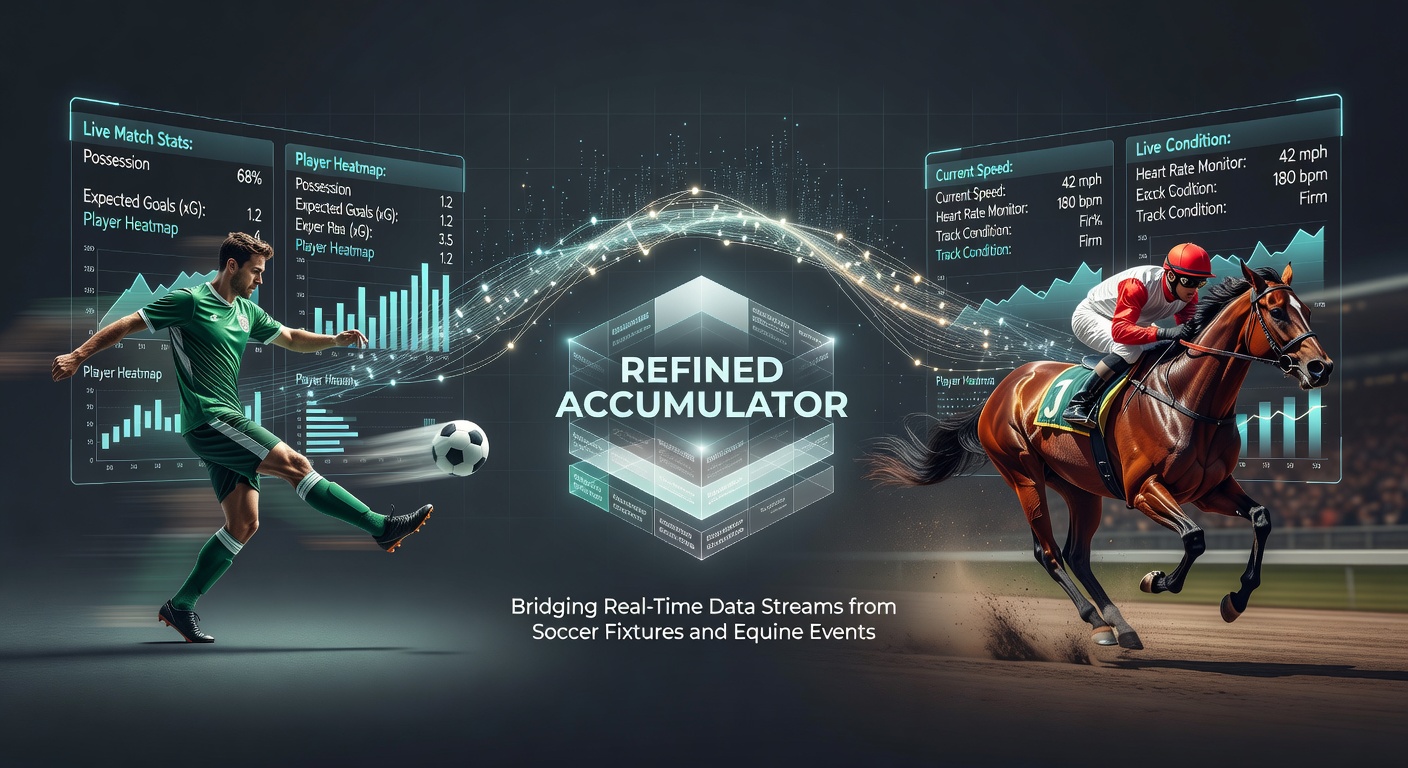
Operators and analysts have increasingly turned to synchronized data pipelines that pull live metrics from soccer matches and horse races into unified accumulator models, and this integration has accelerated through 2025 into June 2026 as fixture calendars overlap more frequently across European leagues and international racing circuits. Data from match events such as possession shifts, shot accuracy rates, and injury substitutions now feed directly into the same platforms that track equine factors including pace fractions, jockey changes, and track condition updates, which allows accumulators to adjust selections in real time rather than relying on pre-match snapshots alone.
Core Components of Cross-Sport Data Streams
Modern accumulator platforms combine API endpoints from soccer data providers with equine timing systems, and the resulting feeds deliver structured events every few seconds during overlapping competitions. Researchers at institutions including the University of Sydney's Centre for Gambling Research have documented how these merged streams reduce latency between event triggers and odds recalculations, while industry reports from the Canadian Gaming Association note similar efficiency gains in multi-sport betting environments. One study released in early 2026 highlighted that operators using combined soccer-equine pipelines recorded measurable improvements in selection accuracy when live variables from both domains updated simultaneously.
Key data categories include event timestamps, performance indicators, and contextual variables such as weather impacts on turf or pitch conditions. These elements merge through middleware layers that normalize units across sports, converting meters-per-second equine speeds and kilometers-per-hour ball movement data into comparable risk metrics. Observers note that the process supports dynamic stake allocation across accumulator legs, allowing partial cash-outs or additions when one sport's live outcome alters the probability profile of the overall bet.
Practical Integration Examples from Recent Seasons
Take the case of a Saturday afternoon window in May 2026 where Premier League fixtures ran alongside major meetings at Ascot and Epsom, and several betting operators deployed unified dashboards that flagged correlated movements between a late soccer goal and subsequent shifts in starting prices for remaining horse races. Those who've monitored these systems report that accumulator builders could pivot from an initial four-leg structure to a five-leg version within minutes of a red-card incident affecting one team's expected goal output. Similar patterns emerged during midweek European nights when Champions League games coincided wth Australian thoroughbred events broadcast in overlapping time slots.
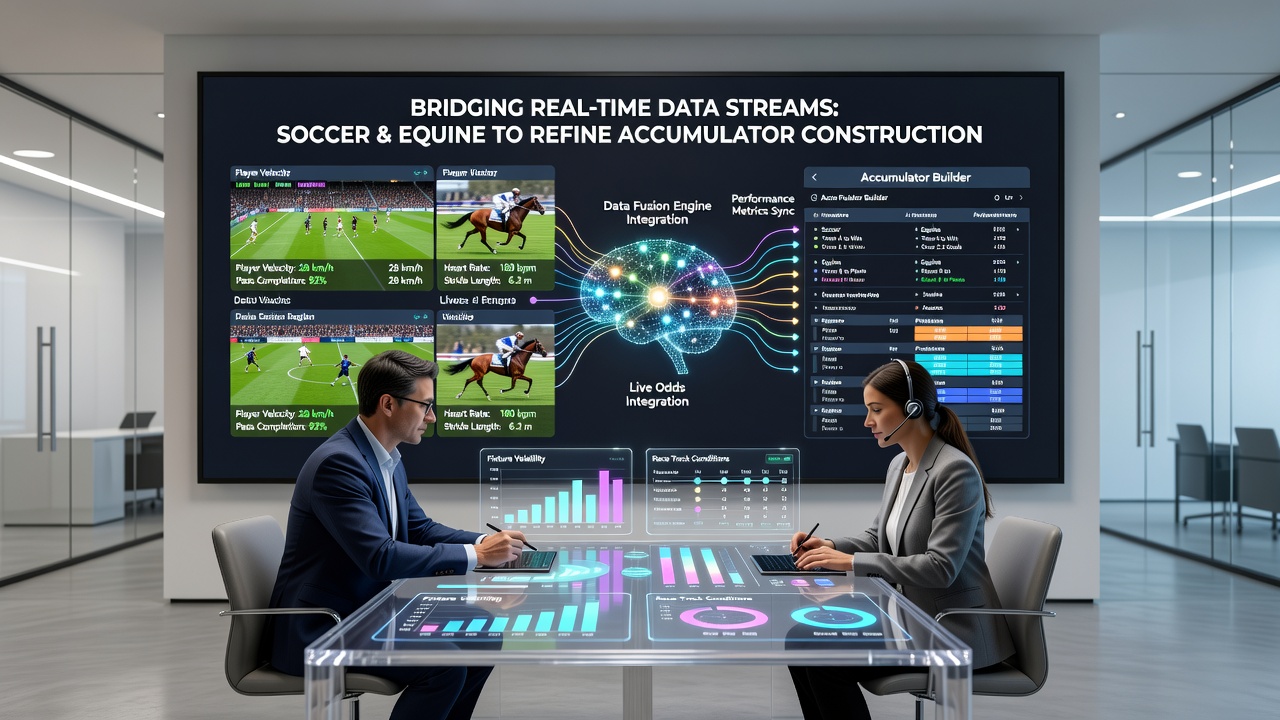
Analysts have mapped these crossovers using visualization tools that overlay probability curves from both sports onto single accumulator interfaces, and the approach has gained traction among professional syndicates that maintain dedicated data teams. Figures from the Australian wagering sector indicate that multi-sport products incorporating live equine and soccer streams grew in volume during the first half of 2026, driven by improved API reliability rather than regulatory changes alone.
Technical Challenges and Solutions
Latency mismatches between soccer event data arriving every two seconds and equine photo-finish results present ongoing engineering hurdles, yet middleware solutions now buffer and prioritize feeds based on accumulator leg weighting. Developers address data quality variances by applying confidence scoring to each incoming event, which down-weights less reliable sources during accumulator recalculations. Observers note that this scoring method helps maintain consistency when one sport experiences broadcast delays while the other continues uninterrupted.
Security protocols also play a central role, because real-time streams contain proprietary performance indicators that operators protect through encryption and access controls. Partnerships with established data vendors have standardized authentication layers, reducing the risk of feed interruptions during peak overlap periods. Research published by the European Gaming and Betting Association in 2025 outlined best practices for maintaining data integrity across these hybrid environments without compromising speed.
Future Developments in Accumulator Construction
Emerging machine-learning models now ingest historical cross-sport datasets to predict which live variables most influence accumulator outcomes, and early deployments in June 2026 showed operators testing automated leg suggestions based on real-time correlations. These tools draw from archives spanning multiple seasons of soccer fixtures and equine results, applying pattern recognition to flag potential value shifts before they appear in standard odds feeds. Those monitoring the space expect continued refinement as computing resources expand and more granular sensors enter both soccer stadiums and racetracks.
Regulatory frameworks in various jurisdictions continue to evolve alongside these technical capabilities, and operators must ensure that accumulator products using merged data streams comply with local transparency requirements. Industry organizations emphasize clear disclosure of data sources to users, which supports responsible presentation of live accumulator options across soccer and equine markets.
Conclusion
The convergence of real-time soccer and equine data streams has established new pathways for accumulator construction that rely on synchronized event processing rather than isolated sport analysis. As fixture overlaps persist through 2026 and beyond, the infrastructure supporting these integrations continues to mature, offering operators and analysts structured methods to refine selections based on concurrent developments in both domains. Continued investment in middleware, confidence scoring, and predictive modeling shapes how these combined feeds translate into practical accumulator adjustments.