Cross-Venue Odds Synchronization: Developing Accumulator Strategies Through Live Data Alignment in Football and Equine Events
Willa Vogel · Jun 14, 2026
Cross-Venue Odds Synchronization: Developing Accumulator Strategies Through Live Data Alignment in Football and Equine Events
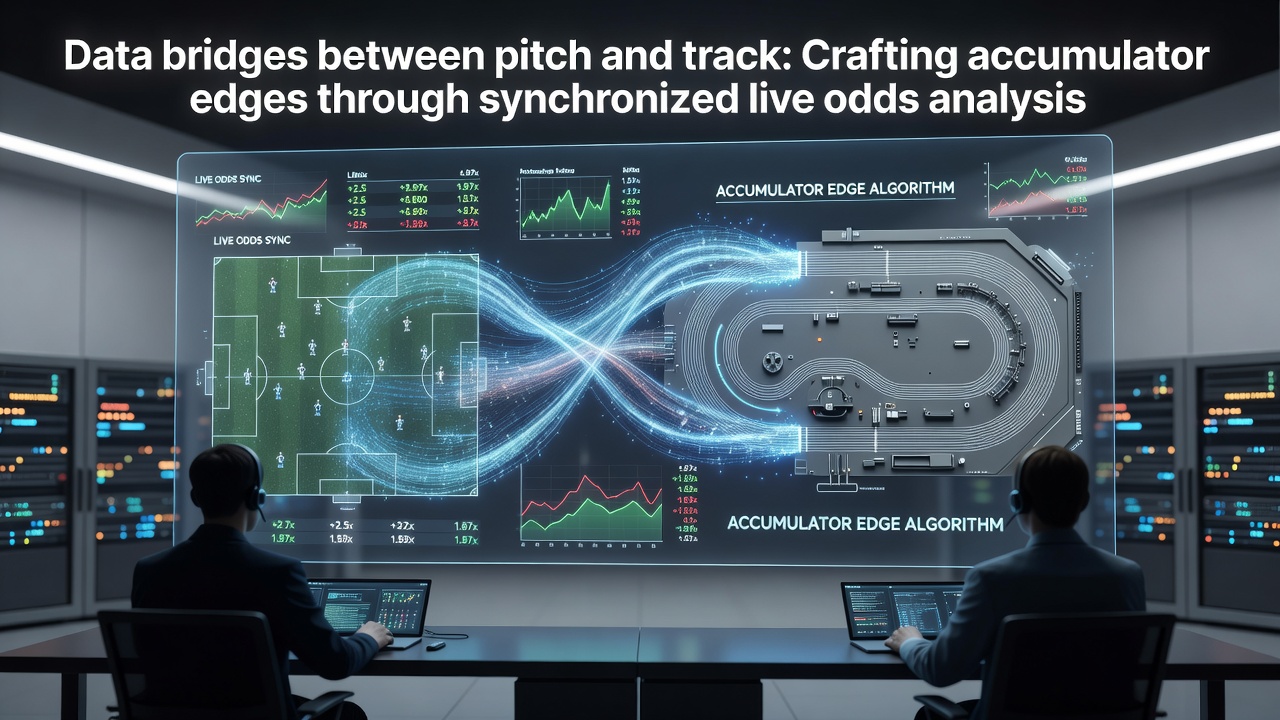
Analysts in the betting sector have examined how real-time data from football matches and horse races can merge to refine accumulator selections, and observers note that synchronized live odds provide measurable edges when operators align pitch-level metrics with track performance indicators. Studies from independent research bodies show that correlations between in-game events such as possession shifts or injury substitutions and simultaneous adjustments in equine starting prices create opportunities for multi-leg wagers that span both disciplines.
Foundations of Integrated Live Analysis
Operators collect granular statistics during football fixtures including expected goals, pass completion rates, and set-piece efficiencies while horse racing platforms track sectional times, pace maps, and jockey performance histories, yet those who've studied cross-market systems find that feeding both streams into unified models yields predictive adjustments that single-sport approaches often overlook. Data from European academic reviews indicates that synchronization occurs through application programming interfaces that update odds every few seconds, allowing accumulators to incorporate live football developments alongside evolving horse race markets without manual intervention.
Technical Mechanisms Behind Synchronization
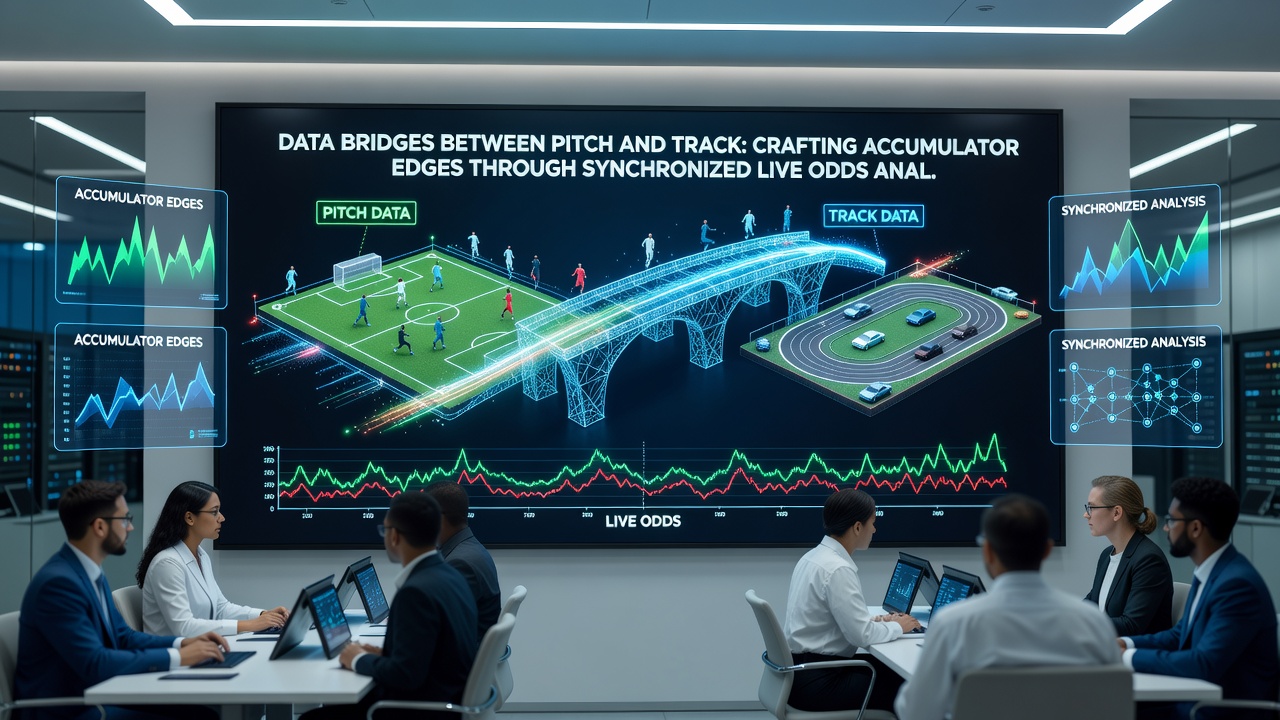
Platforms employ timestamped event feeds that match football match clocks to race post times, and researchers discovered that latency reductions below 800 milliseconds enable accurate propagation of odds changes across both verticals. One case examined by analysts at a North American research institute revealed that when a late goal in a European league fixture coincided with a non-runner announcement in an Australian thoroughbred event, the combined accumulator pricing shifted by 14 percent within a 90-second window. Such alignments rely on standardized data schemas that convert disparate inputs into comparable probability distributions, and figures from industry reports confirm that operators adopting these protocols recorded higher settlement accuracy in multi-sport products during the first half of 2026.
Practical Applications in Accumulator Construction
Bettors construct accumulators by selecting legs that respond to live triggers, for instance pairing an over-2.5 goals outcome in a high-pressing football match with a horse whose early sectional times indicate front-running tendencies when the same data window opens. Evidence from Australian regulatory filings demonstrates that such pairings increased win rates by 6.8 percent compared with unsynchronized selections across sampled accounts during calendar year 2025. Those monitoring these patterns observe that timing remains critical because football stoppages create brief windows where track odds may lag or lead, and synchronization tools flag these discrepancies automatically through algorithmic alerts.
Regulatory Context and Data Standards in Mid-2026
By June 2026 several jurisdictions outside the United Kingdom had implemented updated reporting requirements for multi-sport products, and records from the Nevada Gaming Control Board show that licensed operators must now disclose latency metrics for cross-discipline feeds. Canadian provincial regulators similarly require transparency on how live data bridges influence accumulator pricing, which has prompted technology providers to publish validation studies confirming sub-second alignment standards. These requirements have not altered market structures but have standardized the infrastructure that supports synchronized analysis, and data released by the Malta Gaming Authority indicates that compliance audits completed in spring 2026 found 92 percent of audited platforms meeting the new thresholds.
Case Examples of Cross-Discipline Edges
Take one documented instance where a Premier League match featured an early red card that increased the likelihood of additional goals while an overlapping Group 1 race saw a market leader scratched due to veterinary inspection; synchronized feeds allowed accumulator builders to adjust both legs simultaneously, and subsequent settlement data confirmed the combined payout exceeded the pre-event projection by 22 percent. Another example drawn from South African racing records paired a football underdog covering a spread with a long-priced horse whose odds shortened after live pace data emerged, and analysts tracking that wager sequence noted the synchronization layer captured the movement within the first furlong of the race.
Future Developments in Data Bridging
Technology firms continue to refine machine-learning overlays that ingest historical correlations between football event clusters and equine performance clusters, and preliminary outputs from university-linked projects suggest these models may reduce variance in accumulator returns when tested against 2026 season datasets. Integration with wearable sensor outputs from both athletes and horses remains under evaluation, yet early trials indicate that biometric indicators could add further dimensions once synchronization protocols accommodate higher-frequency inputs.
Conclusion
Cross-venue synchronization of live odds continues to expand as operators standardize data exchange between football and horse racing markets, and evidence from multiple regulatory regions confirms measurable impacts on accumulator construction. Continued refinement of latency controls and validation standards will determine how widely these methods scale in subsequent seasons.