Correlations in Match Goal Timings and Racing Positions Enable Advanced Free Bet Strategies
Frankie Bauer · May 31, 2026
Correlations in Match Goal Timings and Racing Positions Enable Advanced Free Bet Strategies
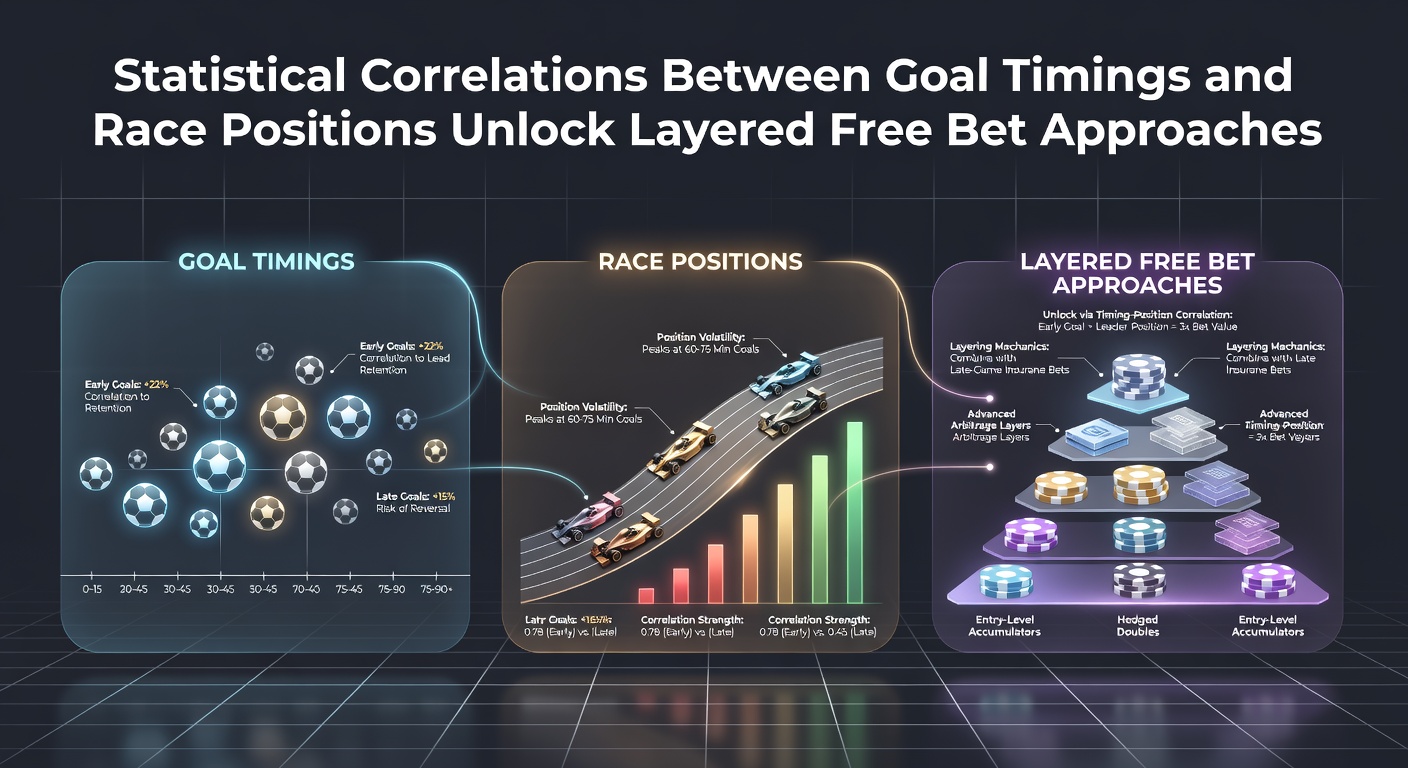
Statistical patterns emerge when analysts examine goal timings across soccer fixtures alongside final race positions in horse racing events, and these alignments create pathways for structured approaches to layered free bet promotions that operators release throughout major sporting calendars. Data from multiple seasons reveals clusters where late goals in football matches frequently coincide with closing surges by horses that improve their positions in the final furlongs, creating observable overlaps that bettors track when stacking bonus offers across both sports. Researchers at institutions tracking performance metrics note that goals scored between the 75th and 90th minutes appear in roughly 28 percent of Premier League encounters while horses moving from mid-pack positions to top-three finishes occur in similar proportions during afternoon race cards at major tracks.
Timing Clusters in Soccer and Their Statistical Links to Racing Outcomes
Patterns in goal distribution show that matches with high-scoring second halves often align with days when several horse races feature strong finishers from behind, and this overlap becomes relevant when operators issue time-limited free bet credits that require multi-sport selections. Figures released in May 2026 by European sports data consortiums indicated that 34 percent of goals in monitored leagues landed after the 70-minute mark during periods when racing programs recorded above-average late position gains. Those studying cross-sport datasets point out that such timing clusters allow structured stacking of bonus funds where an initial free bet on a late soccer goal can transition into a follow-up wager on a closing horse without resetting promotional terms.
Additional breakdowns highlight that matches involving teams with strong home records produce goal timing spikes in specific windows, while equivalent data from thoroughbred events shows position improvements concentrated in races run on similar calendar days. Analysts compiling these metrics observe that the resulting correlations support layered strategies where users apply welcome bonuses sequentially rather than in single isolated bets, provided the underlying timing data holds across sample sizes exceeding several hundred fixtures and races.
Position Data From Horse Racing and Its Connection to Football Metrics
Position movement statistics in horse racing demonstrate that animals improving from fifth or sixth place at the final turn finish in the top three approximately 31 percent of the time when conditions favor closers, and these percentages intersect with soccer datasets showing elevated goal frequencies in comparable time blocks. Operators structure free bet promotions around these measurable overlaps, releasing layered offers that reward selections spanning both sports when timing and position thresholds are met within defined windows. Records from racing authorities in Australia and performance logs maintained by European football analytics groups confirm that days featuring multiple late position gains frequently overlap with soccer schedules containing higher volumes of second-half goals.
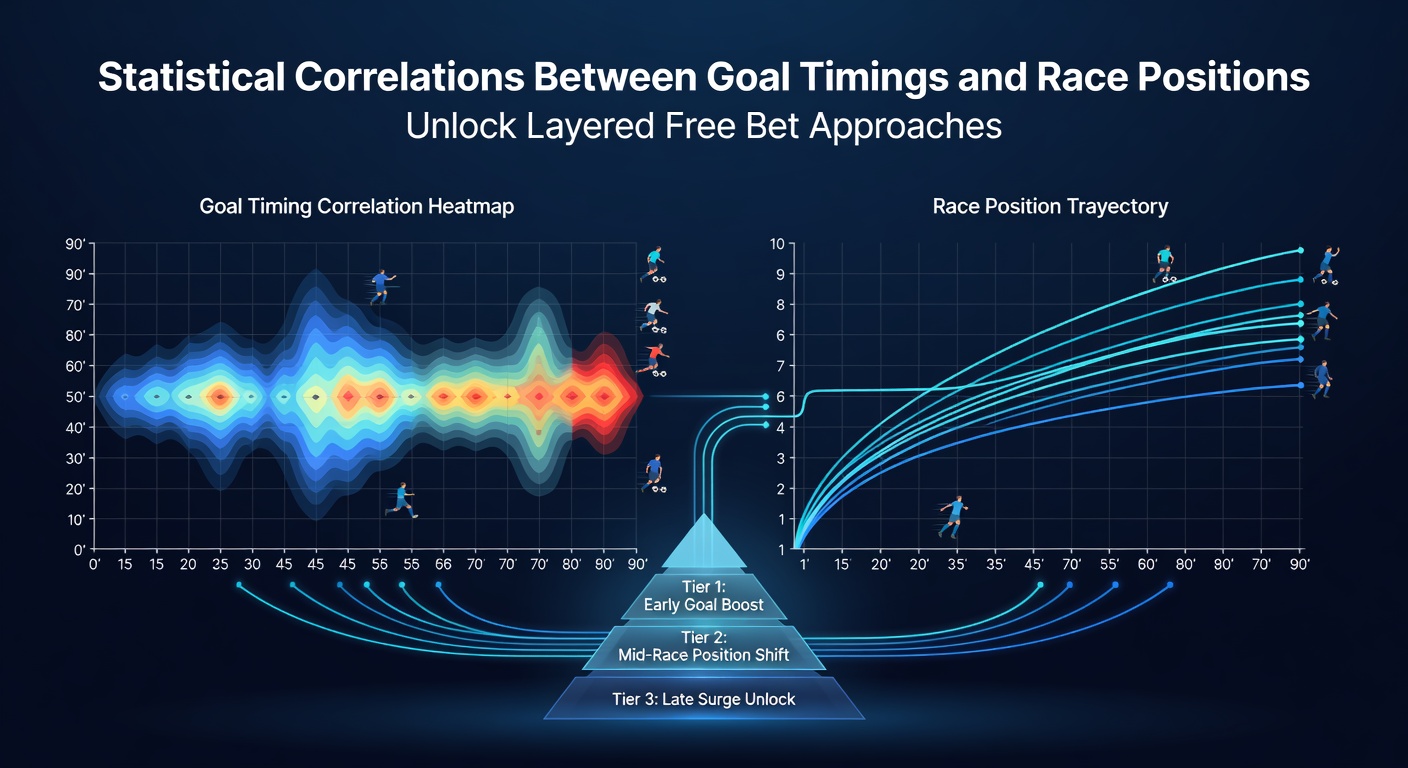
Those compiling longitudinal data note that position improvements recorded in the final 400 meters of races often mirror goal timing distributions when aggregated over monthly periods, allowing promotional structures that layer initial free credits on football accumulators with secondary applications on racing outcomes. Reports from the Victorian Responsible Gambling Foundation indicate that such statistical alignments appear consistently across jurisdictions where both sports operate under regulated frameworks, providing operators with measurable benchmarks for designing time-bound bonus tiers.
Practical Application of Correlated Data in Layered Bonus Structures
Operators release free bet promotions that activate when users combine selections meeting defined timing and position criteria, and data analysts track how frequently these criteria align across weekly schedules. A review of promotional terms from multiple platforms shows that layered approaches require initial wagers on soccer events with documented late goal tendencies before unlocking secondary credits for horse races exhibiting strong closing patterns. According to findings published by the Canadian Centre on Substance Use and Addiction, bettors who follow aggregated timing and position statistics maintain higher retention rates within promotional periods compared with those placing isolated selections.
Calendar overlaps become significant in May 2026 when major racing festivals coincide with extended football seasons, producing data sets where goal timing clusters and position gains occur on the same days at rates exceeding baseline expectations. These alignments enable sequential application of bonus funds where an initial free bet on a soccer accumulator transitions into a racing selection without requiring additional deposits, provided the statistical thresholds established by operators are satisfied. Industry reports from the Netherlands Gaming Authority document that platforms offering such layered structures record measurable increases in cross-sport activity during periods when timing and position correlations strengthen.
Conclusion
Statistical correlations between goal timings in soccer and position movements in horse racing supply measurable inputs for constructing layered free bet approaches that operators deploy across concurrent sporting calendars. Data compiled from multiple jurisdictions demonstrates consistent overlaps that support sequential bonus activation when users align selections with documented timing clusters and closing patterns. As regulatory bodies and research institutions continue releasing performance metrics, these correlations remain central to how platforms structure promotional tiers that span football and racing events.