Bonus Dynamics and Probability Shifts Across Soccer Fields and Racing Tracks
Willa Vogel · Aug 7, 2026
Bonus Dynamics and Probability Shifts Across Soccer Fields and Racing Tracks
Multi-event selections in soccer and equine competitions draw from distinct bonus frameworks that operators apply to accumulators, and those structures interact with real-time probability updates during matches or races, according to industry analyses from multiple jurisdictions.
Bonus Structures in Practice
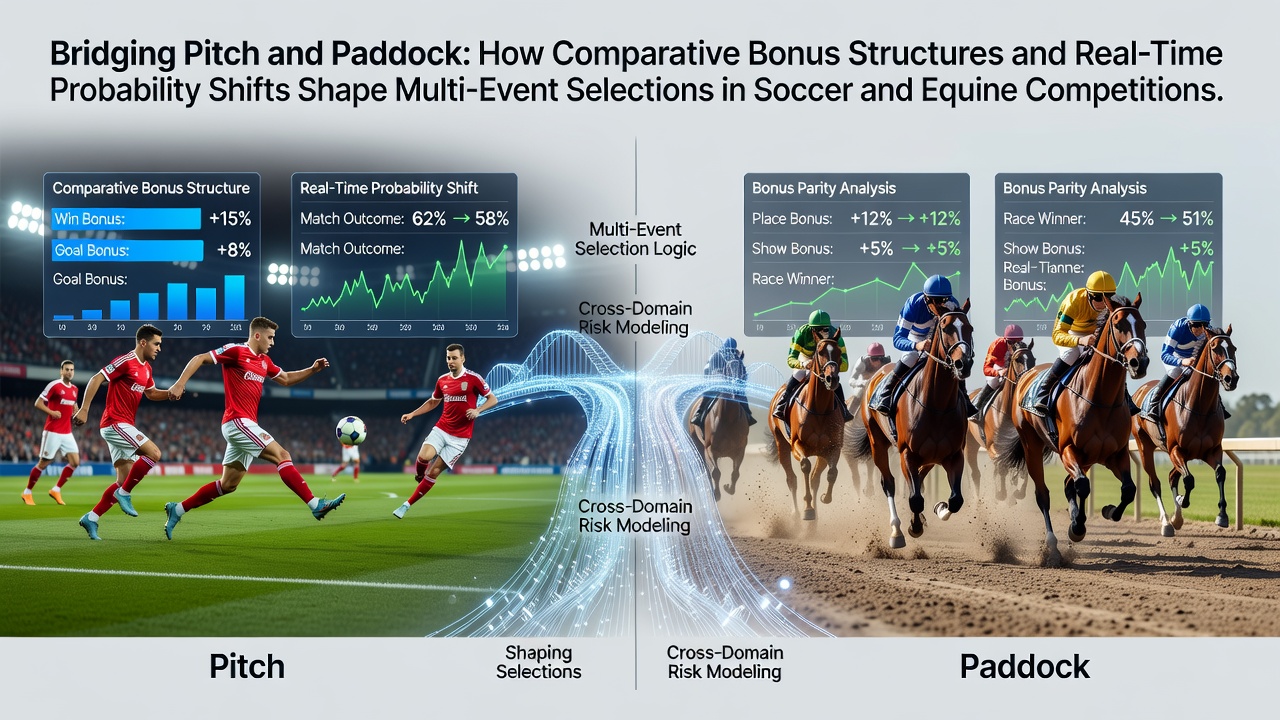
Operators in various markets calculate bonus payouts on accumulators by applying percentage enhancements or cashback tiers tied to the number of legs selected, whereas soccer accumulators often receive fixed multipliers once four or more selections are included, while equine multis incorporate tiered rewards based on stake thresholds and race classifications. Data from the Nevada Gaming Control Board shows that bonus utilization rates in combined sports and racing products rose steadily through mid-2026, with August 2026 figures indicating a 12 percent increase in accumulator volume compared with the prior year. Those patterns emerge because soccer bonuses frequently cap at five legs, whereas racing promotions extend further when events span multiple meetings on the same day.
Real-Time Probability Adjustments
Live odds in soccer shift after each goal, substitution, or card, and those movements recalibrate implied probabilities across remaining accumulator legs, while equine markets adjust after every race result or non-runner announcement because each update alters the overall multiplier for the multi. Observers tracking both codes note that probability recalculations occur at different intervals, with soccer updates arriving every few minutes during active play, whereas racing adjustments cluster around the start of each event. Research compiled by the Australian Gambling Research Centre demonstrates that bettors who monitor these shifts in combined soccer and racing multis tend to adjust stake allocations between legs rather than maintaining fixed amounts throughout.
Interaction Between Bonuses and Live Shifts
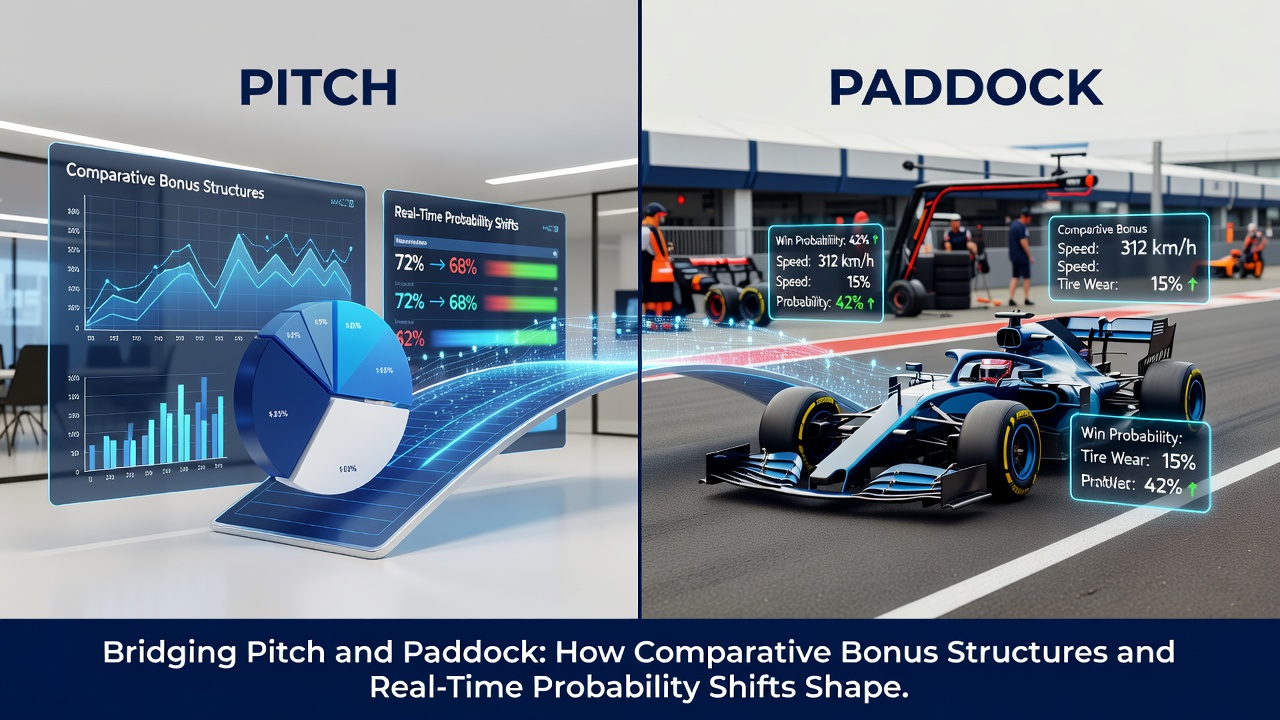
Bonus eligibility rules sometimes require all selections to remain active until settlement, yet live probability changes can push an accumulator outside original payout bands, prompting operators to apply revised multipliers at the moment of each update. In soccer, a late red card might elevate the implied probability of an opposing win and simultaneously increase the bonus multiplier if the operator offers dynamic enhancements, whereas a horse race non-runner in a multi can trigger a rule-4 deduction that reduces the overall return even when the bonus threshold was already met. Figures released by the Ontario Lottery and Gaming Corporation in 2026 illustrate that accumulators crossing both codes experience more frequent mid-event adjustments than single-code multis because the timing of soccer goals rarely aligns with racing results.
Selection Patterns Across Codes
Bettors constructing multis often select soccer legs during early match stages when probabilities remain wider, then add equine legs once initial races confirm results, because the staggered timing allows partial confirmation before committing final stakes. Studies from the University of Sydney indicate that such staggered approaches correlate with higher completion rates for four-leg and five-leg accumulators when bonus thresholds are involved. Probability drift in one code can offset movements in the other, creating windows where overall multiplier values stabilize even as individual legs fluctuate.
Regulatory Context in 2026
August 2026 brought updated reporting requirements in several regions that distinguish accumulator bonus volumes from single-bet activity, and those requirements reveal separate growth trajectories for soccer-focused versus racing-inclusive multis. Operators must now segment data by code when submitting bonus payout statistics, which highlights how comparative structures influence participation levels across different event types. The separation of reporting streams allows clearer tracking of how live probability mechanisms interact with bonus calculations without conflating the two categories.
Conclusion
Bonus structures and real-time probability shifts continue to shape multi-event selections that combine soccer and equine competitions through distinct timing patterns and eligibility conditions, with data from regulatory bodies in North America and Australia providing measurable evidence of those interactions as of August 2026.